
What Does a Fire Door Inspection Cover? A Complete Guide
Fire door inspections and maintenance help keep your building safe, compliant, and protected from hazards. Take a closer look at what they cover in our guide here.
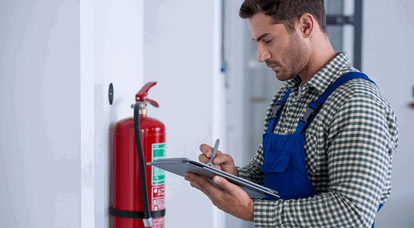
Fire doors are one of the most critical life safety components in any commercial building. They're designed to compartmentalize a fire, buying occupants precious time to evacuate and giving first responders a fighting chance to contain the damage. But a fire door that hasn't been properly maintained or inspected is a fire door that may not perform when it matters most.
If you manage, own, or oversee a commercial or institutional facility, let's explore everything you need to know about fire door inspections.
Why Fire Door Inspections Are Required
Fire door inspections aren't optional. They're mandated by code.
NFPA 80 (Standard for Fire Doors and Other Opening Protectives) is the governing standard for fire door assemblies in the United States. The 2010 edition introduced a requirement that has been widely adopted by state and local jurisdictions: all fire door assemblies in commercial buildings must be inspected and tested annually by a qualified person.
The authority having jurisdiction (AHJ) in your area, typically the local fire marshal or building department, determines exactly how NFPA 80 is enforced. However, the annual inspection requirement has become standard practice across most of the country. Facilities that fail to comply can face:
-
Failed fire inspections and code citations
-
Increased liability exposure in the event of a fire
-
Insurance complications or claim denials
-
Costly emergency repairs under pressure rather than planned maintenance
Beyond maintaining compliance, fire doors save lives, and keeping up with inspections can help keep you, customers, students, staff, and other tenants safe. A fire door that fails to close and latch, can be the demise of a life safety strategy of a building.
Who Can Inspect Fire Doors?
NFPA 80 requires that inspections be performed by a "qualified person," which is someone with the knowledge and experience to identify and correct deficiencies in fire door assemblies.
This is not a task for a general maintenance technician, locksmith, painter, or carpenter. A qualified inspector understands the full assembly (including the door, frame, and hardware application) and knows what a compliant opening looks like versus one that will fail under fire conditions.
What a Fire Door Inspection Covers
A thorough fire door inspection examines the door as a complete assembly, not just individual components. Every element has a role in how the door performs, and deficiencies in one area can compromise the entire opening.
1. Labels and Listings
Every component of a listed fire door assembly (including the door leaf(s), the frame, hardware, and accessories ) must bear a label from a recognized testing laboratory, such as UL or Intertek. The inspector verifies:
-
Labels are present, legible, and not painted over or obscured
-
The door, frame, and hardware are listed for use together
-
No unlisted components have been substituted during previous repairs
A missing or illegible label results in a non-compliant fire door assembly, even if the door itself appears to be in good physical condition.
2. Door Clearances
Clearances are one of the most technically precise elements of a fire door inspection. NFPA 80 specifies maximum allowable gaps at every edge of the door:
-
Top and latch side: Maximum 1/8 inch (depending on door type)
-
Hinge side: Maximum 1/8 inch (depending on door type)
-
Bottom: Maximum 3/4 inch from the bottom of the door to the finished floor, or as permitted by the listing.
-
Meeting edges on pairs: Maximum 1/8 inch (depending on door type)
These tolerances exist because even small gaps allow heat, smoke, and flame to pass through. Over time, doors sag, frames shift, and hardware wears, all of which affect clearances. The inspector measures and documents clearances from the pull side of the opening.
3. Self-Closing and Positive Latching
A fire door must close and latch completely on its own, every time, without assistance. The inspector tests:
-
The door closer functions properly and returns the door to a fully closed position from any open angle
-
The latch engages fully into the strike on every test cycle
-
There are no obstructions, worn components, or adjustments needed that would prevent consistent latching
A door that requires a push to latch or that rests slightly ajar is a non-compliant door.
4. Hardware Condition and Compliance
All hardware on a fire door assembly must be listed for use on fire doors and must be in proper working order. The inspection covers:
-
Hinges: Correct quantity, type, and condition with no missing fasteners
-
Closers: Proper function, correct spring tension, no leaking fluid
-
Latches and strikes: Full engagement, no excessive wear or modifications
-
Flush bolts and coordinators (on pairs): Proper sequencing and full engagement
-
Astragals and edge seals: Present where required and in good condition
-
Smoke gasketing: Intact, properly installed, and making full contact when closed
Unapproved hardware modifications (such as adding a non-listed surface bolt, removing a closer, or using a standard commercial hinge in place of a fire-rated one) are among the most common violations found during inspections.
5. Door and Frame Condition
The physical condition of the door leaf and frame is assessed for anything that could impair function or compromise the fire rating:
-
Warping, twisting, or deformation that affects fit or clearances
-
Holes, penetrations, or cutouts that haven't been properly filled with approved materials
-
Damage to the frame, including broken welds, missing hardware reinforcements, or out-of-plumb conditions
-
Paint buildup that prevents proper hardware function or obscures labels
-
Damaged or missing glazing in vision lites (glass must be fire-rated and properly installed)
Even cosmetic damage can have functional consequences in a fire door, and inspectors are trained to distinguish between the two.
6. Operational Testing
The door is operated through its full cycle multiple times during the inspection. The inspector is verifying not just that it closes, but that it closes consistently and correctly under realistic conditions, including from a fully open position, confirming that the closer isn't adjusted to only work from certain angles.
For high-traffic openings with automatic operators or access control integration, the inspector will also verify that hold-open devices release properly on a fire alarm signal.
Common Violations Found During Fire Door Inspections
Knowing what inspectors most often catch can help facility teams stay ahead of problems. Some of the most frequently cited deficiencies include:
-
Closers that have been removed or disabled: While this is often done to increase convenience in high-traffic areas, closers will need to be restored to pass your fire door inspection.
-
Wedges, doorstops, or props holding doors open: While it may seem like a temporary and harmless solution, door props are a life safety violation.
-
Labels painted over or removed: If you recently had a building repaint that wasn't coordinated with maintenance, there is a chance you have a fire door inspection violation on your hands.
-
Worn or misaligned latches: If the opening isn't self-latching, repairs or possible hardware replacement will need to be performed.
-
Missing or damaged smoke seals: Smoke seal violations are common after hardware work (where techs may forget to replace them). This issue is why it is essential to have a qualified technician with fire door expertise complete all entry system and hardware work.
-
Non-listed modifications: Rogue field modification, such as cutting an electric strike into a fire rated frame, will be documented on your inspection report.
These issues tend to accumulate slowly. A door that passed inspection three years ago may have a half-dozen violations today simply from routine wear and ad-hoc maintenance decisions made without fire door expertise.
What Happens After a Fire Door Inspection?
A qualified inspector will provide a written report documenting every opening that was inspected, the condition of each assembly, and any deficiencies found. That report becomes a compliance record and a repair roadmap. Non-Compliant fire door assemblies must be brought to compliance without delay.
The inspection report should reference the specific NFPA 80 section applicable to each deficiency. That level of specificity matters when you're coordinating with a repair team or presenting documentation to an AHJ.
How Often Should Fire Doors Be Inspected?
Annual inspection is the minimum. For high-traffic openings (stairwell doors, corridor doors in healthcare facilities), many facility managers schedule quarterly walk-throughs to catch obvious issues between formal inspections. This doesn't replace the annual qualified inspection, but it does help prevent small problems from becoming significant violations.
In healthcare environments, The Joint Commission requires fire door inspections as part of its accreditation surveys, often with additional documentation and frequency expectations layered on top of NFPA 80.
You should also keep an eye out for any problems with your fire doors. Naturally, you will want to schedule a repair or maintenance visit at the first sign of an issue. However, any changes to your openings (including after maintenance visits) will need to be inspected. Thankfully, experts like CBX Solutions offer fire door repairs, maintenance, and inspections for end-to-end support.
Choose CBX Solutions for Fire Door Inspections and Compliant Hardware
CBX Solutions provides fire door inspections, repairs, and ongoing maintenance services for commercial and institutional facilities across the country. Our qualified inspectors know the code, document findings thoroughly, and work with facility teams to prioritize and complete repairs efficiently.
Have doors that are due for a fire door inspection? CBX Solutions offers nationwide service from local experts in your area. Request a fire door inspection to get started today!