
A Guide to Common Fire Door Deficiencies
The same fire door problems show up on inspections again and again, from doors that won't latch to clearance violations. Here's why they happen and how to fix each one.
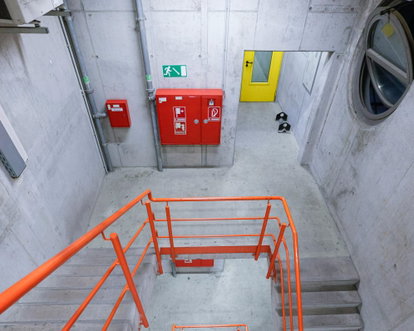
Fire doors typically fail over time, often starting with installation by an unqualified professional, a loose hinge, a closer bumped out of adjustment, or a wedge someone leaves under the door "just for the afternoon."
Understanding common deficiencies can help facility teams identify potential issues earlier and support ongoing fire door maintenance and compliance. Let's take a closer look at common fire door deficiencies, why they happen, and what it takes to correct them.
Why the Same Issues Keep Coming Back
Fire door assemblies in high-traffic facilities can experience significant daily use. Over time, hardware can wear, components can move out of adjustment, and modifications to the opening can affect how the assembly performs. Even seemingly minor changes, such as propping a door open or altering its hardware, can create compliance concerns.
Routine inspections and maintenance can help identify deficiencies before they affect the continued performance of the opening.
1. Doors That Won't Latch or Close Completely
To pass a fire door inspection, every fire door has to close and latch on its own, from any open position, every single time. Common causes of fire door deficiencies here include:
-
A door closer that's worn out or adjusted too weakly to fully close the door
-
Hinges that have loosened or bound up, causing drag
-
A latch or strike that's misaligned, so it doesn't fully engage
-
Paint buildup or debris interfering with the strike plate
Corrective action may involve adjusting or replacing the closer, addressing hinge alignment, or repairing the latch and strike. A qualified fire door professional can evaluate the complete opening to determine the appropriate repair while maintaining the requirements of the rated assembly.
2. Doors Propped Open or Blocked
Wedges, kick-down stops, chairs, floor mats, trash cans, or anything else holding a fire door open is a violation.Fire doors should not be blocked or improperly held open in a way that prevents them from closing and latching as required. This one is almost always about convenience: people prop doors for airflow, deliveries, or foot traffic without realizing they're disabling a fire and smoke barrier in the process.
If a door genuinely needs to stay open during normal operations, the code-compliant solution is a listed hold-open device wired to the building's fire alarm system, so it releases automatically the moment an alarm activates. A wedge under the door does not do that.
3. Excessive Door Clearances
Clearances are one of the more technical fire door deficiencies (and one of the easiest to miss without a tape measure). NFPA 80 sets tight tolerances, because even small gaps let heat and smoke through:
-
Top, hinge side, and latch side: Typically no more than 1/8 inch
-
Meeting edges on double doors: Typically no more than 1/8 inch
-
Bottom of the door to the finished floor: Up to 3/4 inch, or as permitted by the door's listing
Door alignment, frame conditions, hardware wear, and changes to finished flooring can all affect clearances over time. The solutions here range from re-hanging and shimming the door to installing a fire-rated door bottom or adjusting the frame.
4. Missing or Illegible Fire Labels
Every component in a listed fire door assembly needs a legible label from a recognized testing lab. Labels can become painted over, damaged, or otherwise difficult to identify during the life of the opening.
If the label is simply painted over, it can sometimes be carefully restored. If it's missing entirely with no record of the original listing, the door typically needs field-labeling by an authorized service or, in some cases, replacement. Either way, this isn't a cosmetic issue, as an unlabeled component makes the entire assembly non-compliant, regardless of how solid the door looks.
5. Damaged or Missing Smoke Seals
Smoke gasketing and intumescent seals expand under heat to block smoke from migrating around the door edges. They're also easy to forget. For example, technicians replacing a closer or latch will sometimes remove the seal for access and never put it back. In other cases, these smoke seals can simply degrade with age until an inspection catches it.
The fix is to replace the smoke seals with manufacturer-approved gasketing. Work performed on a fire door should account for the condition and requirements of the complete assembly, not only the individual component being serviced.
6. Unlisted or Unauthorized Hardware
A fire door, frame, and hardware have to be listed for use together. If you swap in something unlisted, you've broken the assembly's rating, even if everything still works. This deficiency shows up in various forms, including:
-
Security bars or slide bolts added for extra protection
-
Standard-duty hinges substituted during a routine repair
-
Electromagnetic locks that aren't tied to the fire alarm system
-
Panic hardware that's listed for egress but not for fire door use
A qualified fire door professional can evaluate the hardware and complete assembly to determine the appropriate corrective action while maintaining applicable listing and code requirements.
7. Unapproved Field Modifications
Cutting a new opening for an electric strike, drilling for a card reader, or adding glazing after the fact are common facility upgrades that can quietly void a fire rating if they skip the door's listing requirements. Any alteration to a rated door or frame needs an approved method (often with manufacturer-authorized kits or field service).
If the unapproved modifications can be removed, this is often required to pass your inspection. Your fire door professional can help you find alternative solutions that will help you achieve your goals without disrupting safety and compliance. If a door has already been modified with irreversible changes, replacement is often the only solution.
8. Door, Frame, and Glazing Damage
Physical condition matters as much as hardware. Inspectors are trained to flag:
-
Warped, dented, or rusted door leaves
-
Frames that are bent, out of plumb, or have broken welds
-
Cracked or improperly installed fire-rated glazing in vision lites
-
Holes or penetrations that were never patched with approved materials
Depending on the state of the issue, your fire door still may be within code compliance. Not every sign of wear or damage requires the same corrective action. A full assembly inspection by a qualified professional can help you understand where you stand and identify which issues need repairs or replacement.
How CBX Solutions Can Help: Local Fire Door Specialists
CBX Solutions provides fire door inspections, repairs, and ongoing maintenance for commercial and institutional facilities nationwide. Our qualified local teams evaluate the complete opening, clearly document identified deficiencies, and help facility teams determine the appropriate path toward corrective action and ongoing compliance.
Noticing issues with your fire doors, or overdue for an inspection? Request fire door support from CBX Solutions and get ahead of the next inspection instead of reacting to it.